Lotus Symbolism in Vedic Thought: Rising Above Stress

Updated: Apr 5
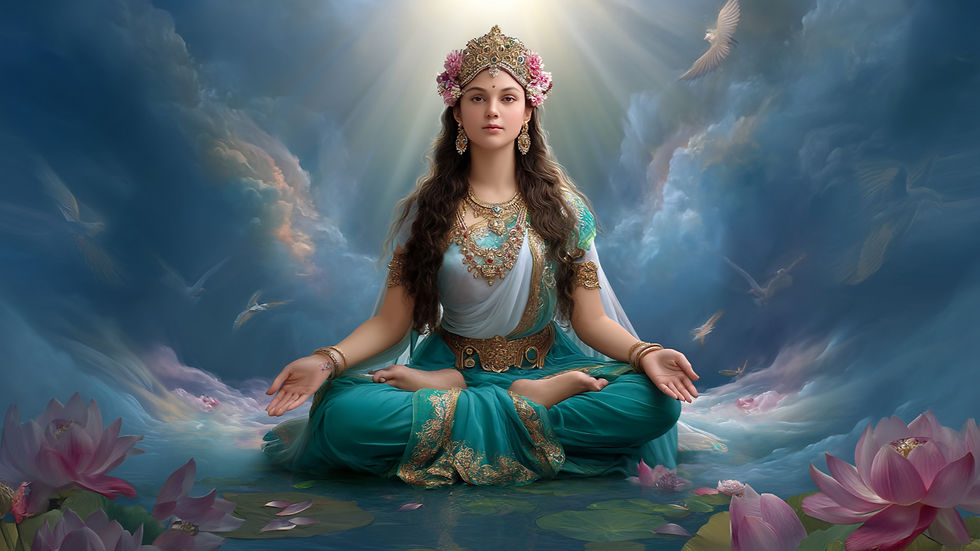
In the frantic pace of the 21st century, stress has become an unwanted companion. However, ancient Vedic wisdom offers a powerful visual and philosophical remedy: the Kamala (Lotus). Across the Upanishads and the Bhagavad Gita, the lotus is not merely a flower; it is a profound metaphor for the human soul's journey toward resilience and enlightenment.
The Sanskrit Origin: Pankaja
In Sanskrit, one of the most beautiful names for the lotus is Pankaja. The word is derived from Panka (mud) and Ja (born). Literally, it means "that which is born from the mud."

This etymology is the cornerstone of its spiritual significance. The lotus begins its life in the dark, murky depths of a pond, surrounded by mud and stagnant water. Yet, it grows upward, breaking the surface of the water to bloom in the sunlight—completely unstained by the grime from which it emerged.
The Philosophy of Non-Attachment (Nishkama Karma)
The most famous reference to the lotus in spiritual literature appears in the Bhagavad Gita (Chapter 5, Verse 10): ब्रह्मण्याधाय कर्माणि सङ्गं त्यक्त्वा करोति य: | लिप्यते न स पापेन पद्मपत्रमिवाम्भसा ||
“brahmaṇy ādhāya karmāṇi saṅgaṁ tyaktvā karoti yaḥ > lipyate na sa pāpena padma-patram ivāmbhasā”
Translation: One who performs their duty without attachment, surrendering the results unto the Supreme, is unaffected by sinful action, just as the lotus leaf is untouched by water.
If you observe a lotus leaf, you will notice that water beads up and rolls off immediately. The leaf is in the water, but it is not of the water. In the same way, Vedic philosophy teaches us that we can live in a stressful, chaotic world without letting that chaos penetrate our inner peace.
Lotus Symbolism in Vedic Thought: Rising Above Stress
Discover the profound impact of Lotus Symbolism in Vedic Thought: Rising Above Stress. Learn to rise above stress with ancient wisdom today.
Applying Lotus Wisdom to Modern Stress
How can we apply this ancient symbolism to our daily lives?
Accept Your "Mud": We often think we can only find peace in a perfect environment. The lotus teaches us that the "mud" (our challenges, chores, and stressors) is actually the nutrient-rich soil needed for our growth.
Rise Above the Surface: Practice daily meditation (Dhyana) to "break the surface" of the mind's constant chatter. Even 10 minutes of stillness allows the soul to breathe above the "water level" of daily worries.
Practice Mental Repellence: Just as the lotus leaf repels water, we can practice "mental repellence." When someone is rude or a situation is frustrating, visualise yourself as the lotus leaf. Let the negativity bead up and roll away rather than soaking into your heart.
A Path to Inner Radiance
The journey of the lotus reminds us that our current environment does not define our ultimate potential. Whether you are navigating professional pressure or personal hurdles, remember your nature as the Pankaja. You have the innate power to rise, bloom, and remain pure amidst the mud of the world.
Frequently Asked Questions (FAQ)
1. What does the lotus symbolise in Vedic thought?
The lotus symbolises purity, enlightenment, and spiritual awakening in Vedic thought. It represents the ability to rise above challenges and stress, emerging beautifully from muddy waters.
2. How does the lotus relate to stress management?
The lotus serves as a metaphor for overcoming stress, illustrating how one can rise above difficult circumstances and maintain inner peace and clarity, much like the flower that blooms despite murky surroundings.
3. Are there any specific Vedic texts that discuss the symbolism of the lotus?
Yes, various Vedic texts, including the Upanishads and the Bhagavad Gita, reference the lotus as a symbol of spiritual growth and resilience, emphasising the importance of maintaining composure amidst life's challenges.
4. Can the lotus symbolism be applied to modern life?
Absolutely! The principles embodied by the lotus can be applied to modern life by encouraging individuals to cultivate mindfulness, resilience, and a positive outlook, even in stressful situations.
5. How can I incorporate lotus symbolism into my daily practice?
You can incorporate lotus symbolism into your daily practice through meditation, visualisation techniques, or by surrounding yourself with lotus imagery, which can serve as a reminder to remain grounded and focused on personal growth.
6. What are some practical tips for rising above stress inspired by lotus symbolism?
Practice mindfulness and meditation to cultivate inner peace.
Engage in activities that promote self-care and relaxation.
Reflect on challenges as opportunities for growth.
Surround yourself with supportive and uplifting environments.
7. Is there a connection between the lotus and yoga?
Yes, the lotus is often associated with yoga, particularly in the context of the lotus pose (Padmasana), which symbolises stability and serenity, further reinforcing the connection between physical practice and spiritual growth.


Comments